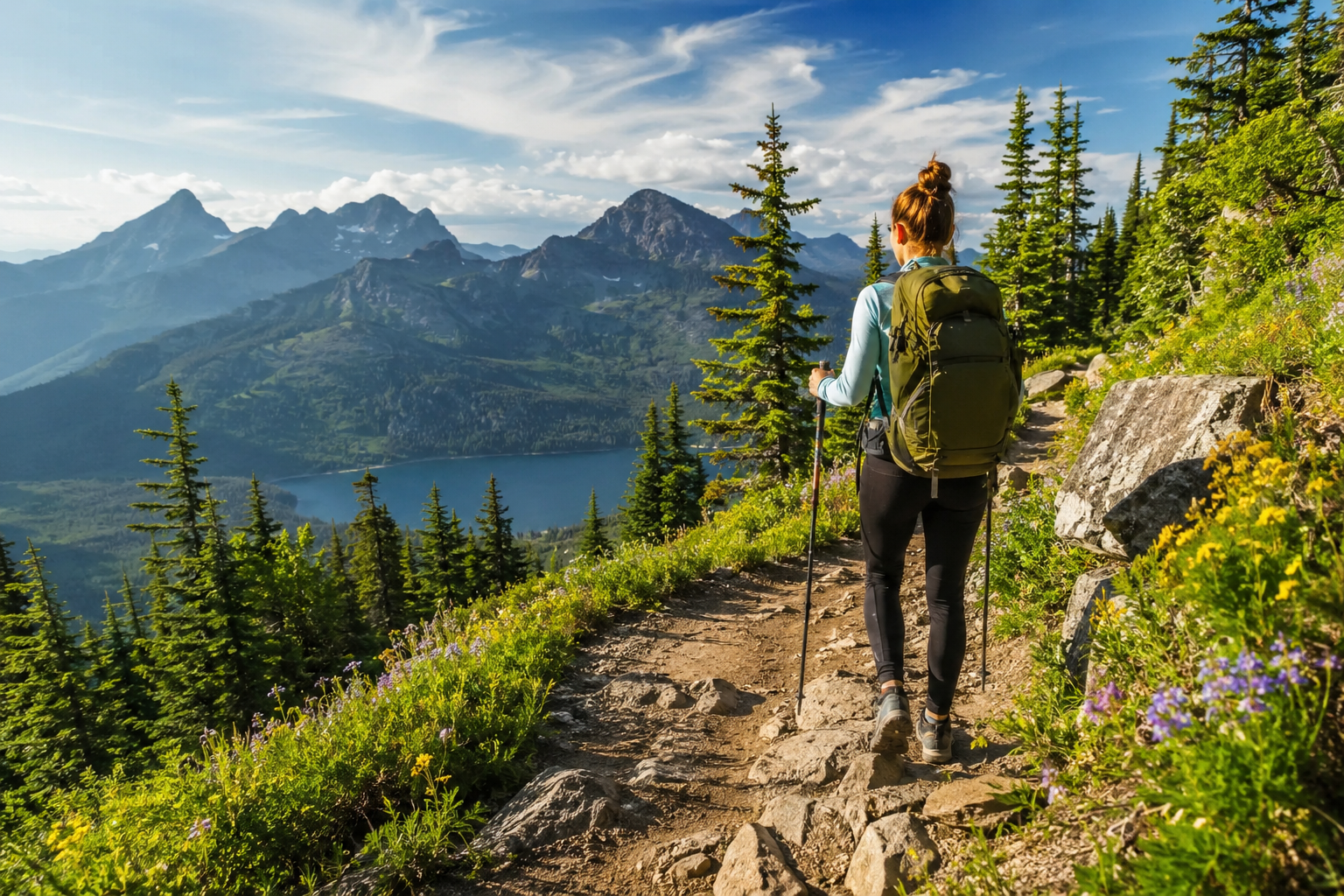
Hiking is one of the best ways to enjoy nature while keeping the body active and the mind relaxed. Unlike many indoor exercises, hiking allows you to spend time outside, breathe fresh air, explore beautiful places, and enjoy physical movement at the same time. It can be a simple walk on a local nature trail or a longer journey through hills, forests, and mountains. No matter where you hike, regular hiking can offer many benefits for physical and mental health.
In today’s busy lifestyle, many people spend long hours sitting at work, using phones, or watching screens. This can make it difficult to stay active and can also increase daily stress. Hiking provides a simple opportunity to step away from screens and enjoy natural surroundings. With regular practice, hiking can become a healthy hobby that supports fitness, emotional wellbeing, and a more active lifestyle.
Hiking Supports Physical Fitness
One of the main benefits of hiking is that it helps improve overall physical fitness. Walking on natural trails requires the body to move continuously, which can increase heart rate and help strengthen different muscle groups. Depending on the trail, hiking can be an easy activity or a challenging workout.
Hiking uphill requires more effort from the legs, hips, and core muscles. Walking downhill also requires balance and control. Because of this, hiking can provide a more varied workout than walking on a completely flat surface. Regular hiking can help improve strength, endurance, balance, and coordination.
Hiking Is Good for Heart Health
Hiking can also support cardiovascular health. When you walk at a steady pace, your heart works harder to supply oxygen to your muscles. Over time, regular physical activity can help improve cardiovascular fitness.
A moderate hiking routine can be a useful way to include more movement in your week. People can choose trails according to their current fitness level and gradually increase the distance or difficulty as their endurance improves. Staying active through activities such as hiking can contribute to a healthier lifestyle and better physical wellbeing.
Hiking Can Help With Weight Management
Another important benefit of hiking is its role in maintaining a healthy body weight. Hiking uses energy because the body is constantly moving. Longer hikes and trails with hills may require even more effort.
Hiking should not be viewed only as a way to lose weight. It is better to see it as an enjoyable form of regular physical activity. When exercise is enjoyable, people may find it easier to make it part of their routine. Combining hiking with balanced nutrition, proper sleep, and other healthy habits can support long term weight management.
Hiking Strengthens Leg Muscles
Hiking is particularly useful for the lower body. Walking over uneven ground requires the legs to work in different ways. The thighs, calves, hips, and glute muscles all become involved during a hike.
Climbing a slope can make the muscles work harder, while walking across uneven surfaces can challenge balance and stability. With consistent activity, hiking can help build stronger and more capable legs. Strong lower body muscles are useful not only during exercise but also during everyday activities such as climbing stairs, walking, and standing for longer periods.
Hiking Can Improve Balance and Coordination
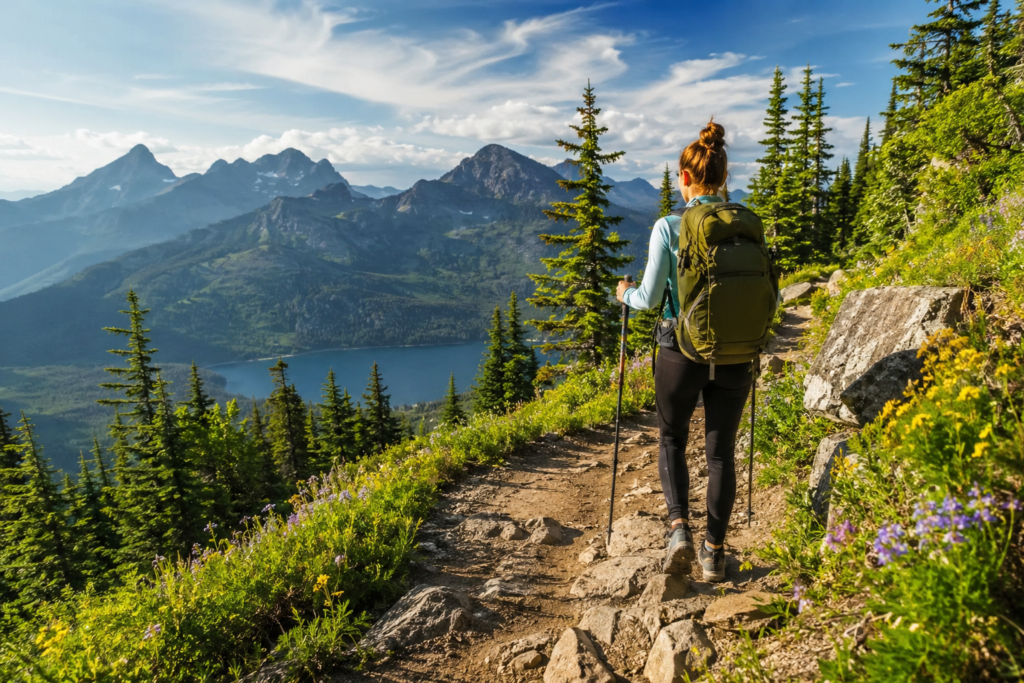
Natural trails often have different surfaces, including soil, rocks, grass, roots, and small slopes. Walking across these surfaces requires attention and body control. This can provide a natural challenge for balance and coordination.
Good balance is important at every age. Developing better body awareness can make everyday movement easier and more comfortable. Hiking at a safe pace and choosing suitable trails can allow people to enjoy these benefits without making the activity unnecessarily difficult.
Hiking Can Reduce Daily Stress
Physical health is only one part of the benefits of hiking. Spending time outdoors can also be helpful for mental wellbeing. Modern life can be filled with deadlines, responsibilities, notifications, and constant screen use. Hiking provides a chance to slow down and focus on the environment.
The simple act of walking through a natural setting can help create a calmer experience. Instead of thinking about emails, social media, or daily tasks, you can pay attention to trees, birds, sounds, fresh air, and the trail ahead. This change of environment can make hiking feel refreshing and peaceful.
Hiking Supports Mental Health
Regular physical activity can play an important role in supporting mental health. Hiking combines exercise with outdoor experiences, making it a useful hobby for people who want to spend more time moving and relaxing.
Being surrounded by nature may help create a sense of calm and encourage people to take a break from their usual routine. A quiet hiking trail can provide time for personal reflection and relaxation. Even a short walk in a natural area may help you feel more refreshed after a busy day.
Hiking Can Improve Mood
Exercise and outdoor activity can be enjoyable ways to improve your mood. When you complete a hike, you may also experience a sense of achievement. Reaching the end of a trail, walking farther than before, or completing a difficult hill can build confidence.
Hiking with friends or family can make the experience even more enjoyable. Sharing conversations, exploring new places, and enjoying a common activity can create positive memories. For people who prefer peaceful activities, hiking alone can also provide valuable personal time.
Hiking Encourages Mindfulness
Hiking can naturally encourage mindfulness because it gives you many opportunities to focus on the present moment. While walking, you can pay attention to your breathing, footsteps, surroundings, and natural sounds.
Instead of rushing through the activity, you can slow down and notice small details around you. The color of leaves, the movement of clouds, the sound of birds, or the feeling of fresh air can make the experience more meaningful.
This type of attention can help you take a break from constant thinking about the past or future. Hiking can therefore become more than physical exercise. It can become a simple way to practice being present.
Hiking Provides a Break From Screens
Many people spend a large part of their day looking at phones, computers, and televisions. Hiking offers an opportunity to reduce screen time and reconnect with the physical world.
Leaving your phone in your bag or using it only when necessary can help you focus more on your surroundings. A break from digital distractions can make a hike feel more peaceful and refreshing.
This does not mean technology should never be used while hiking. A phone can be useful for maps, emergency communication, weather information, and photography. The goal is simply to avoid unnecessary distractions and enjoy the experience.
Hiking Can Improve Sleep
Regular physical activity can support healthy sleep habits. Hiking uses physical energy and can help establish an active daily routine. Spending time outdoors may also help people feel more relaxed and ready to rest at the end of the day.
It is important to listen to your body and avoid pushing yourself too hard. A comfortable hike that leaves you feeling refreshed can be more beneficial than an exhausting hike that takes too long to recover from.
Hiking Can Build Self Confidence
Completing a hiking trail can create a strong feeling of achievement. Beginners may start with short and easy trails and gradually move toward longer routes. Each new accomplishment can increase confidence.
Hiking also teaches patience. Some trails require steady effort and cannot be completed quickly. Learning to continue at a comfortable pace can encourage a positive attitude toward challenges in other areas of life.
Hiking Is a Social and Enjoyable Hobby
Hiking does not have to be a solo activity. Many people enjoy hiking with friends, family members, or local hiking groups. Walking together can encourage conversation and strengthen relationships.
Group hiking can also make it easier to stay motivated. When people plan regular outdoor activities together, they may be more likely to remain active. At the same time, hiking alone can offer quiet personal time for those who prefer solitude.
How to Start Hiking Safely
If you are new to hiking, start with a short and easy trail. Choose a route that matches your current fitness level and gradually increase the distance as you become more comfortable.
Wear comfortable shoes with good grip and carry enough water. Depending on the trail and weather, you may also need sun protection, suitable clothing, snacks, and a basic first aid kit. Always check the weather and trail conditions before leaving.
It is also important to tell someone where you are going when hiking in an unfamiliar or remote area. Stay on marked trails when possible and respect local nature and wildlife.
Conclusion
The benefits of hiking for physical and mental health make it an excellent healthy hobby for people of many ages and fitness levels. Hiking can improve physical fitness, strengthen muscles, support heart health, encourage healthy weight management, and improve balance. At the same time, it can help reduce daily stress, support a positive mood, encourage mindfulness, and provide a valuable break from screens.
The best thing about hiking is that it does not have to feel like a traditional workout. You can explore nature, spend time with people you care about, discover new places, and enjoy fresh air while staying active. Start with a comfortable trail, listen to your body, and make hiking a regular part of your lifestyle. With consistency and safe habits, hiking can become a simple and enjoyable way to support both physical and mental health.
