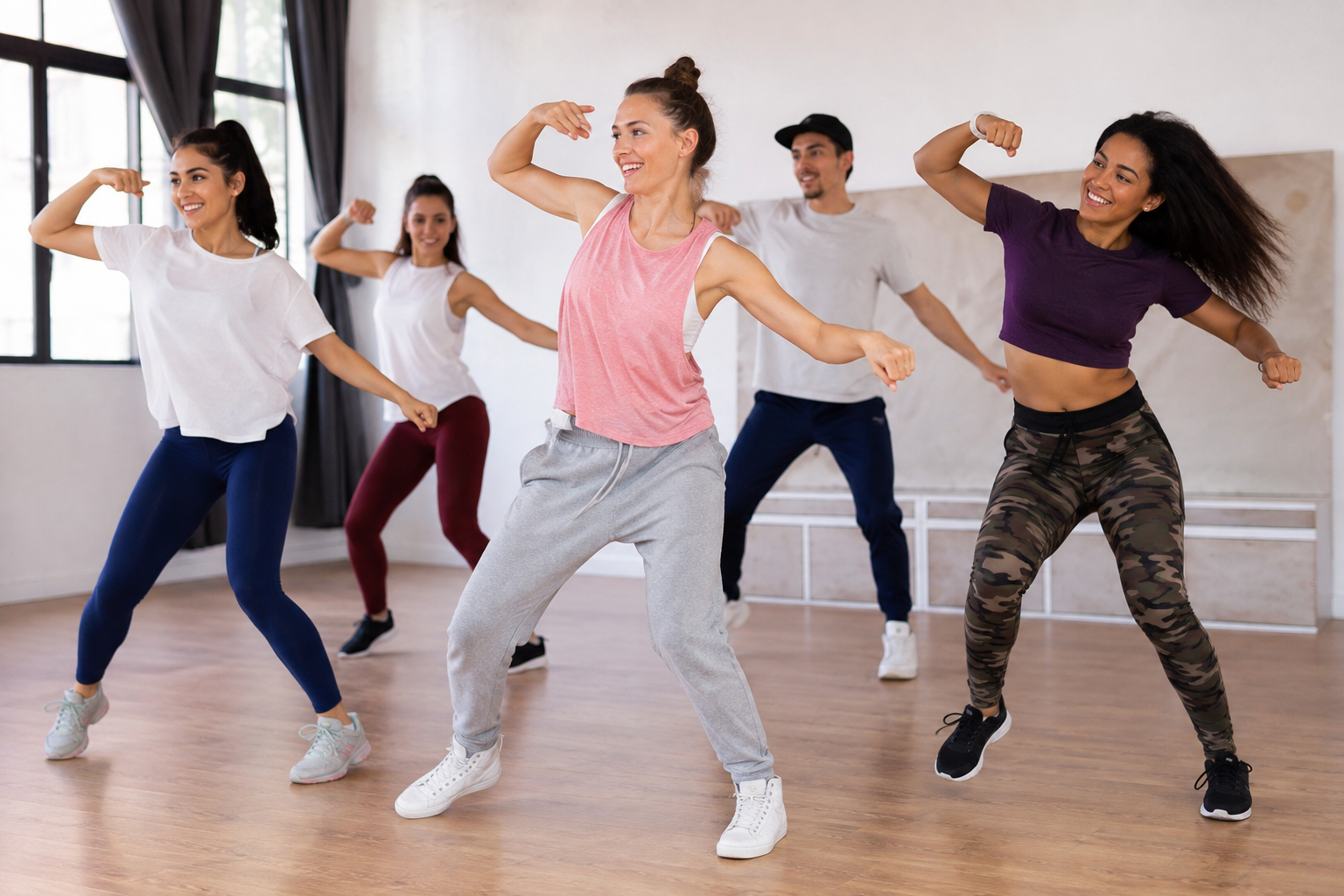
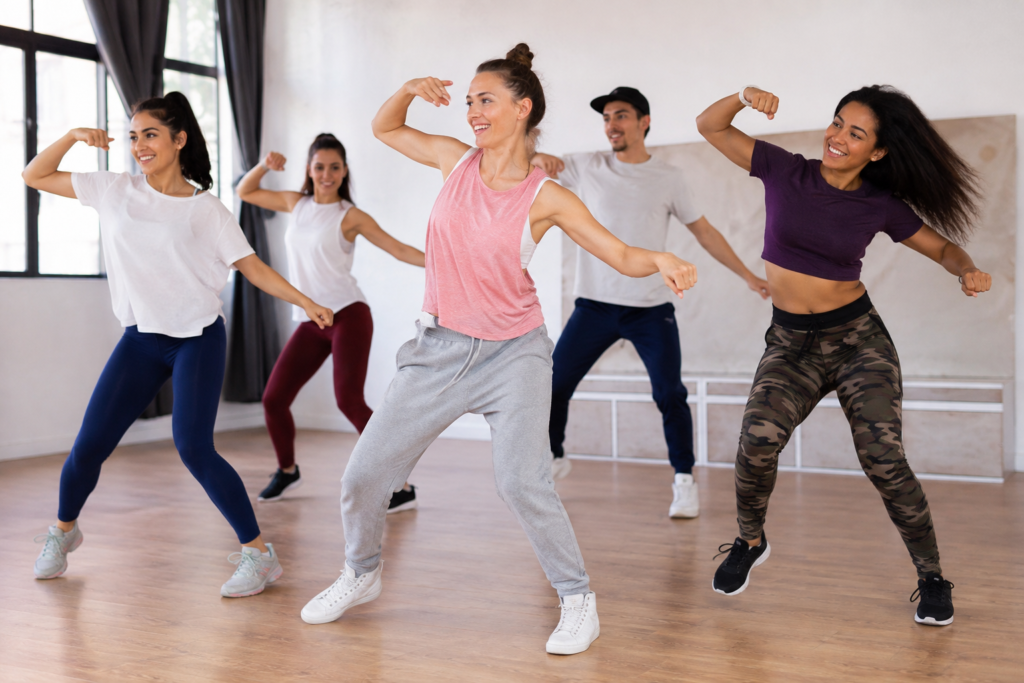
Dancing is one of the most enjoyable activities that people can include in their daily lives. It is not only a form of entertainment but also a simple way to stay active, improve mood, and support overall health. You do not need to be a professional dancer or have special skills to enjoy the benefits of dancing. Anyone can dance at home, with friends, at a fitness class, or simply while listening to favorite music.
In today’s busy lifestyle, many people spend long hours sitting at work, studying, watching television, or using digital devices. This can make it difficult to stay physically active. Dancing offers an easy and enjoyable solution because it combines exercise with music and creativity. Instead of feeling like a difficult workout, dancing can feel like a fun activity that people actually look forward to doing.
Dancing Supports Physical Fitness
One of the biggest benefits of dancing is its positive effect on physical fitness. Dancing keeps the body moving and can increase the heart rate, making it a useful form of cardiovascular exercise. Regular dancing can help improve stamina and make everyday physical activities feel easier.
Different dance styles provide different levels of exercise. Fast dancing can provide an energetic workout, while slower styles can help with gentle movement and flexibility. Whether someone enjoys hip hop, salsa, ballroom dancing, traditional dance, or simply moving freely to music, there are many ways to make dancing part of a healthy lifestyle.
Dancing can also help strengthen different muscle groups. Moving the legs, arms, hips, and body requires coordination and muscle control. With regular practice, people can develop better body strength and physical endurance.
Dancing Can Help With Weight Management
Dancing can be a helpful activity for people who want to maintain a healthy weight. Since dancing involves continuous movement, it can help the body use energy. The amount of energy used depends on the dance style, intensity, duration, and individual body characteristics.
The important thing is that dancing can make physical activity more enjoyable. Some people find traditional workouts repetitive or difficult to maintain. Dancing can provide a more entertaining alternative. When people enjoy an activity, they may be more likely to continue doing it regularly.
For better results, dancing can be combined with balanced nutrition, sufficient sleep, and other healthy habits. It should be viewed as one part of an overall healthy lifestyle rather than a quick solution for weight loss.
Dancing Improves Heart Health
Regular physical activity is important for cardiovascular health, and dancing can contribute to an active lifestyle. When you dance, your heart works harder to supply oxygen to your muscles. Over time, regular movement can support better cardiovascular fitness.
Dancing can also encourage people to spend less time sitting. Even short dance sessions during the day can provide opportunities to move the body. People who have sedentary routines may find dancing an enjoyable way to introduce more activity into their daily schedule.
For beginners, it is best to start with comfortable movements and gradually increase the duration and intensity. Anyone with health concerns should choose activities that are appropriate for their individual needs.
Dancing Supports Mental Health
Dancing is not only good for the body. It can also support mental and emotional wellbeing. Music and movement can create a positive experience and provide a temporary break from everyday responsibilities.
When people dance, they often focus on the rhythm, movements, and music. This can help shift attention away from daily worries. A short dance session can make a person feel refreshed and mentally lighter.
Dancing can also encourage self expression. People do not always need words to express their feelings. Movement can provide a creative way to release emotions and enjoy the present moment.
Dancing Can Reduce Everyday Stress
Modern life can bring many sources of stress, including work responsibilities, study pressure, family duties, and financial concerns. Finding healthy ways to manage stress is important for overall wellbeing.
Dancing can be a simple stress relief activity. Listening to enjoyable music while moving the body can create a sense of freedom and enjoyment. Even dancing for a few minutes in a comfortable space can provide a mental break.
The combination of music, movement, and concentration can make dancing feel relaxing and refreshing. This is one reason why dancing is often considered a healthy hobby for people who want to add more enjoyable activities to their routine.
Dancing Improves Balance and Coordination
Another important benefit of dancing is improved coordination. Many dance movements require the arms and legs to work together while the body follows a rhythm. Learning these movements can challenge the brain and body at the same time.
Regular dancing may help people become more aware of their body position and movement. Better coordination can also be useful during everyday activities such as walking, climbing stairs, playing sports, or carrying objects.
Balance is another important part of many dance styles. Practicing controlled movements can help people become more comfortable with their body’s position and movement.
Dancing Can Improve Flexibility
Some forms of dancing involve stretching, reaching, bending, and controlled body movements. These activities can help people work on flexibility when practiced safely and consistently.
Improved flexibility can make movement feel more comfortable. It may also help people perform certain physical activities more easily. Beginners should avoid forcing their bodies into difficult positions and should allow flexibility to develop gradually.
A gentle warm up before more intense dancing can also help prepare the body for movement.
Dancing Encourages Social Connection
Dancing can be a wonderful social hobby. Many people enjoy dance classes, cultural events, community activities, weddings, parties, and other gatherings where dancing brings people together.
Group dancing can help people meet others who share similar interests. It can create opportunities for conversation, cooperation, and friendship. Partner dances can also encourage communication and teamwork.
For people who sometimes feel isolated, joining a beginner dance class can provide a positive social environment. The shared experience of learning and enjoying music can make people feel connected.
Dancing Builds Confidence
Learning a new dance style can improve confidence. At first, new movements may feel difficult or unfamiliar. With practice, people often become more comfortable and begin to notice their progress.
Successfully learning a routine or movement can create a sense of achievement. This can encourage people to try other activities and challenges as well.
Dancing also allows people to express their personality. There is no single perfect way to enjoy every dance style. As people become more comfortable with movement, they may become less concerned about making mistakes and more focused on having fun.
Dancing Supports Brain Health
Dancing requires more than physical movement. The brain must pay attention to rhythm, remember movements, control the body, and respond to changes in music. Learning new routines can therefore provide mental stimulation.
Remembering dance steps can challenge memory and concentration. Following a rhythm also requires attention and timing. These mental demands make dancing an interesting activity for people who want a hobby that involves both the body and mind.
Learning different dance styles can provide additional mental stimulation because each style may involve different movements, rhythms, and patterns.
Dancing Is Suitable for Different Ages
One of the best things about dancing is its flexibility. People of different ages and fitness levels can find a style that suits them. Young people may enjoy energetic dance styles, while older adults may prefer gentle dancing and slower movements.
The activity can also be adjusted according to individual ability. Someone can dance for a few minutes at home or participate in a longer class. The goal is to choose movements that feel comfortable and enjoyable.
Dancing does not require an expensive gym membership or complicated equipment. Comfortable clothing, suitable footwear, some space, and music may be enough to get started.
How to Make Dancing Part of Your Routine
Adding dancing to your routine can be simple. You can start by playing your favorite song and dancing for five or ten minutes. As your body becomes comfortable with movement, you can gradually increase the time.
Another option is to join a local dance class. Learning from an instructor can help beginners understand basic movements and develop confidence. Dancing with friends or family can also make the experience more enjoyable.
The most important thing is consistency. You do not have to dance for hours every day. Regular short sessions can be a practical way to stay active and enjoy the benefits of dancing.
Conclusion
Dancing is a fun and healthy hobby that can support both physical and mental wellbeing. It can improve fitness, support heart health, help with weight management, encourage flexibility, and improve balance and coordination. At the same time, dancing can reduce everyday stress, support emotional wellbeing, build confidence, and provide opportunities for social connection.
The greatest advantage of dancing is that it does not have to feel like traditional exercise. Music and movement can turn physical activity into an enjoyable experience. Whether you dance alone at home, attend a class, or enjoy dancing with friends, this hobby can bring more movement and happiness into everyday life.
For anyone looking for a simple, enjoyable, and healthy hobby, dancing is an excellent choice. Put on some music, move at your own pace, and enjoy the positive experience of staying active through dance.