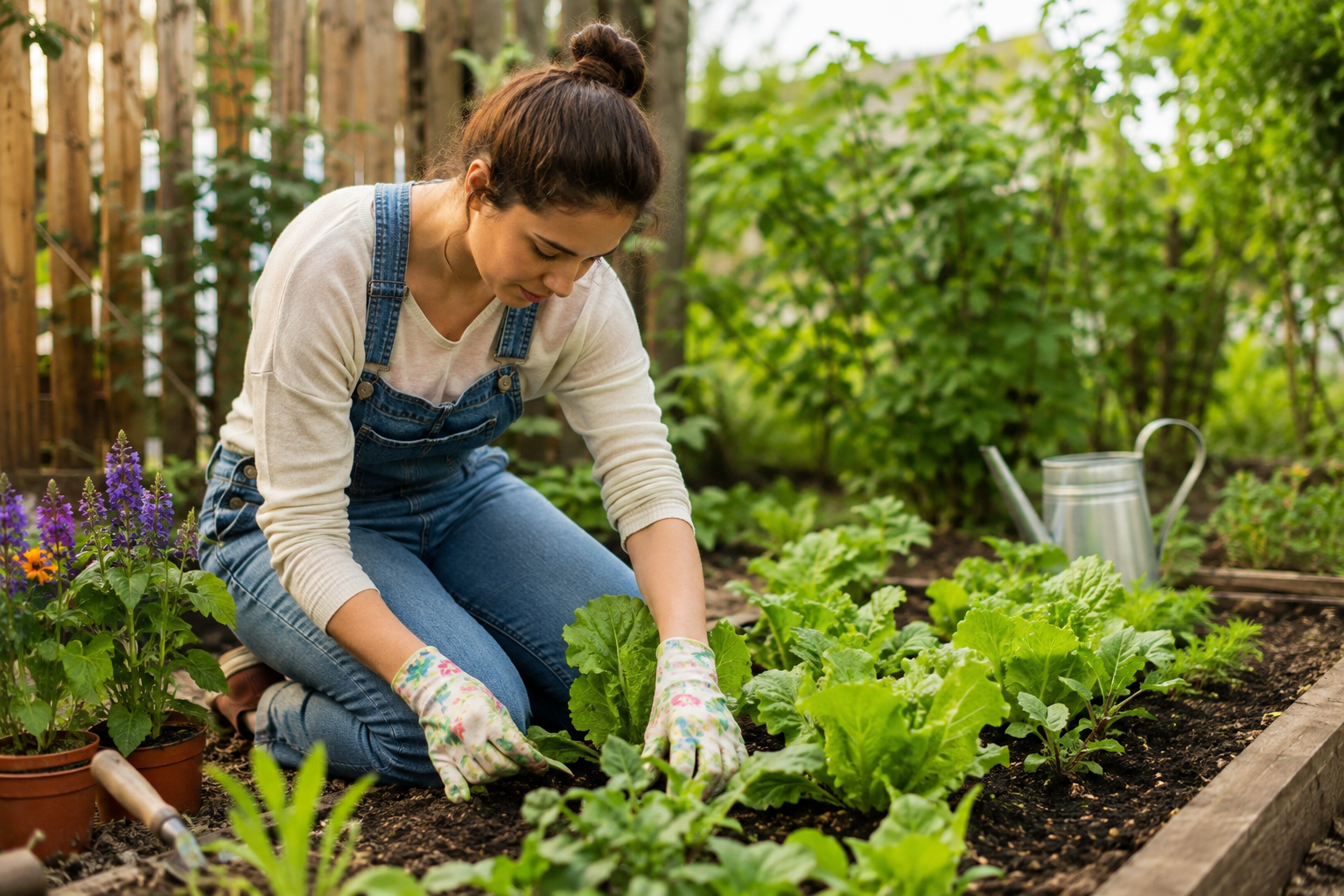
Gardening is more than a simple outdoor activity. It is a healthy hobby that can support physical fitness, mental wellbeing, better eating habits, and a more balanced daily routine. Many people spend long hours sitting at work, using phones, watching television, or staying indoors. Gardening provides a simple way to step outside, move the body, connect with nature, and enjoy meaningful work.
You do not need a large garden or expensive equipment to enjoy the benefits of gardening. A few pots on a balcony, a small backyard, or even a collection of indoor plants can become a useful part of your lifestyle. With regular gardening, small daily actions such as watering plants, removing weeds, planting seeds, and caring for vegetables can contribute to a healthier and more active life.
Gardening Supports Physical Activity
One of the most important benefits of gardening is that it encourages physical activity. Gardening may not feel like a traditional workout, but many gardening tasks require movement and physical effort. Digging soil, planting flowers, carrying pots, watering plants, trimming branches, and removing weeds can keep different parts of the body active.
Regular movement is important for maintaining strength, flexibility, and general physical fitness. Gardening can also help people avoid spending too much time sitting during the day. Instead of remaining indoors for hours, you can spend some time working in the garden and naturally increase your daily activity.
Gardening activities can be adjusted according to your fitness level. Beginners can start with simple tasks such as watering plants or planting seeds. As they become more comfortable, they can gradually take on more demanding activities. This makes gardening a practical healthy hobby for people with different lifestyles.
Gardening Can Help Reduce Daily Stress
Modern life can be busy and stressful. Work responsibilities, family duties, financial concerns, and constant digital communication can make it difficult to relax. Gardening provides an opportunity to slow down and focus on something peaceful.
Spending time around plants and natural surroundings can create a calming environment. When you concentrate on planting, watering, or caring for flowers, your attention moves away from everyday worries. This can make gardening a useful activity for relaxation and emotional wellbeing.
The simple routine of caring for plants can also create a sense of calm. Watching a small seed grow into a healthy plant can be rewarding and encouraging. Gardening allows people to focus on gradual progress instead of expecting immediate results.
Gardening Encourages Healthy Eating
Another important way gardening supports a healthier lifestyle is by encouraging better food choices. Growing your own vegetables, fruits, and herbs can make healthy foods more interesting and accessible.
When people grow tomatoes, spinach, carrots, cucumbers, herbs, or other vegetables themselves, they may become more interested in using these foods in their meals. Fresh produce from a home garden can become part of salads, soups, sandwiches, and other healthy dishes.
Gardening also helps people understand where food comes from. Instead of seeing vegetables only as items in a supermarket, gardeners experience the process of planting, growing, harvesting, and preparing food. This connection can encourage a greater appreciation for fresh and nutritious ingredients.
Gardening Provides Time in Nature
Spending time in nature can be an important part of a balanced lifestyle. Gardening gives people a reason to go outside and enjoy fresh air, natural light, plants, and outdoor surroundings.
Many people spend much of their day surrounded by buildings and electronic screens. Gardening provides a natural break from this environment. Even a short period outside can make a daily routine feel more refreshing.
Being around nature can also encourage people to become more aware of seasonal changes. Gardeners notice new leaves, flowers, insects, changing temperatures, and different weather conditions. These small observations can make outdoor time more enjoyable and meaningful.
Gardening Can Improve Daily Routine
A healthy lifestyle often depends on having positive daily habits. Gardening can become one of those habits. Plants require regular care, which encourages consistency and responsibility.
For example, a person may spend fifteen or thirty minutes each morning watering plants and checking the garden. This simple routine can create structure in the day. People who enjoy gardening may also become more motivated to spend time outdoors regularly.
A gardening routine does not need to be complicated. The goal is simply to create a healthy activity that fits naturally into everyday life. Even small gardening tasks can become a valuable part of a balanced schedule.
Gardening Supports Mental Wellbeing
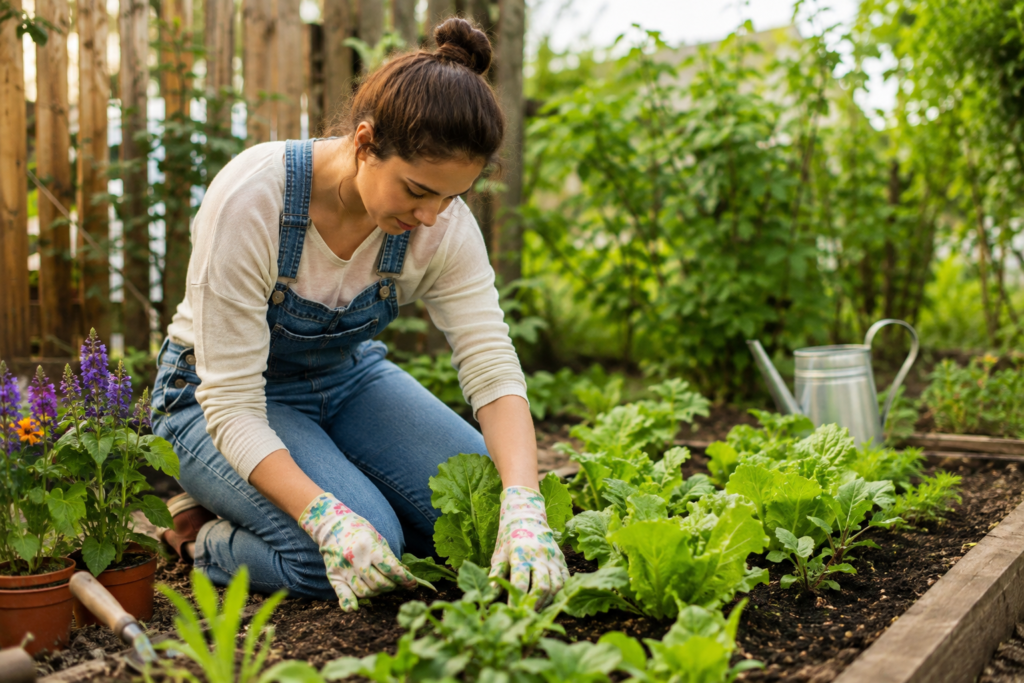
Gardening can also support mental wellbeing by giving people a meaningful activity to focus on. Completing small tasks can create a sense of achievement. Planting a seed and later seeing a healthy plant grow can provide satisfaction and motivation.
Gardening also teaches patience. Plants do not grow instantly. They need water, sunlight, nutrients, care, and time. Learning to wait for natural growth can encourage patience in other areas of life.
For many people, gardening can also provide a quiet personal space. A garden can become a place where someone reads, thinks, drinks tea, or simply enjoys the surroundings. This peaceful environment can make it easier to take a break from a busy routine.
Gardening Can Bring People Together
Although gardening can be a personal hobby, it can also become a social activity. Families can work together in a garden, parents can teach children how plants grow, and friends can share gardening ideas.
Children can especially benefit from learning about plants and nature. Gardening can teach them responsibility because they need to care for living things. It can also make healthy food more interesting when children grow vegetables themselves.
Community gardening can provide another opportunity for social connection. People with shared interests can work together, exchange seeds, discuss plants, and learn from one another. These social connections can make gardening more enjoyable.
Gardening Can Improve Sleep Habits
A healthy lifestyle includes good sleep, and gardening may indirectly support better sleep habits. Physical activity during the day can help the body feel naturally ready for rest at night. Spending time outdoors can also encourage a healthier daily rhythm.
Gardening can be particularly useful when it replaces long periods of passive screen time. Instead of spending an entire afternoon watching videos or scrolling through social media, a person can spend part of that time outdoors caring for plants.
Gardening should not be considered a treatment for sleep problems, but as part of a healthy routine, it can encourage daytime movement, outdoor activity, and relaxation.
Gardening Builds Patience and Responsibility
Plants depend on regular care, which can teach valuable life skills. Gardeners learn that healthy growth requires attention and patience. Missing watering or ignoring plants for too long can affect their development.
This process teaches responsibility in a natural way. It also reminds people that progress often happens slowly. A healthy garden is usually the result of many small actions performed consistently.
These lessons can apply beyond gardening. Patience, consistency, responsibility, and appreciation for gradual progress are useful qualities in personal and professional life.
How to Start Gardening as a Healthy Hobby
Starting a garden does not have to be expensive or difficult. Begin with a few plants that are easy to care for. Herbs, flowers, leafy vegetables, and some common vegetables can be suitable choices for beginners.
Choose a location that receives enough sunlight and make sure the plants have suitable containers or soil. Learn the basic watering and care requirements for each plant.
It is also helpful to start small. Trying to manage too many plants at once can make gardening feel like a difficult responsibility. A small collection of healthy plants can provide plenty of enjoyment while allowing you to learn gradually.
Most importantly, enjoy the process. Gardening is not about creating a perfect garden. It is about spending time with nature, staying active, learning something new, and creating a healthier daily habit.
Conclusion
Gardening can support a healthier lifestyle in many simple and practical ways. It encourages physical activity, provides time outdoors, supports relaxation, promotes healthy eating, and creates opportunities for learning and social connection. It can also bring structure and purpose to everyday life.
You do not need a large garden to experience these benefits. A few plants in containers can be enough to get started. By making gardening part of your regular routine, you can create a hobby that supports both physical and mental wellbeing.
In a world where many people spend too much time indoors and sitting in front of screens, gardening offers a refreshing alternative. It allows you to move, create, grow, and connect with nature. For anyone looking for a simple and enjoyable healthy hobby, gardening can be a valuable step toward a healthier and more balanced lifestyle.