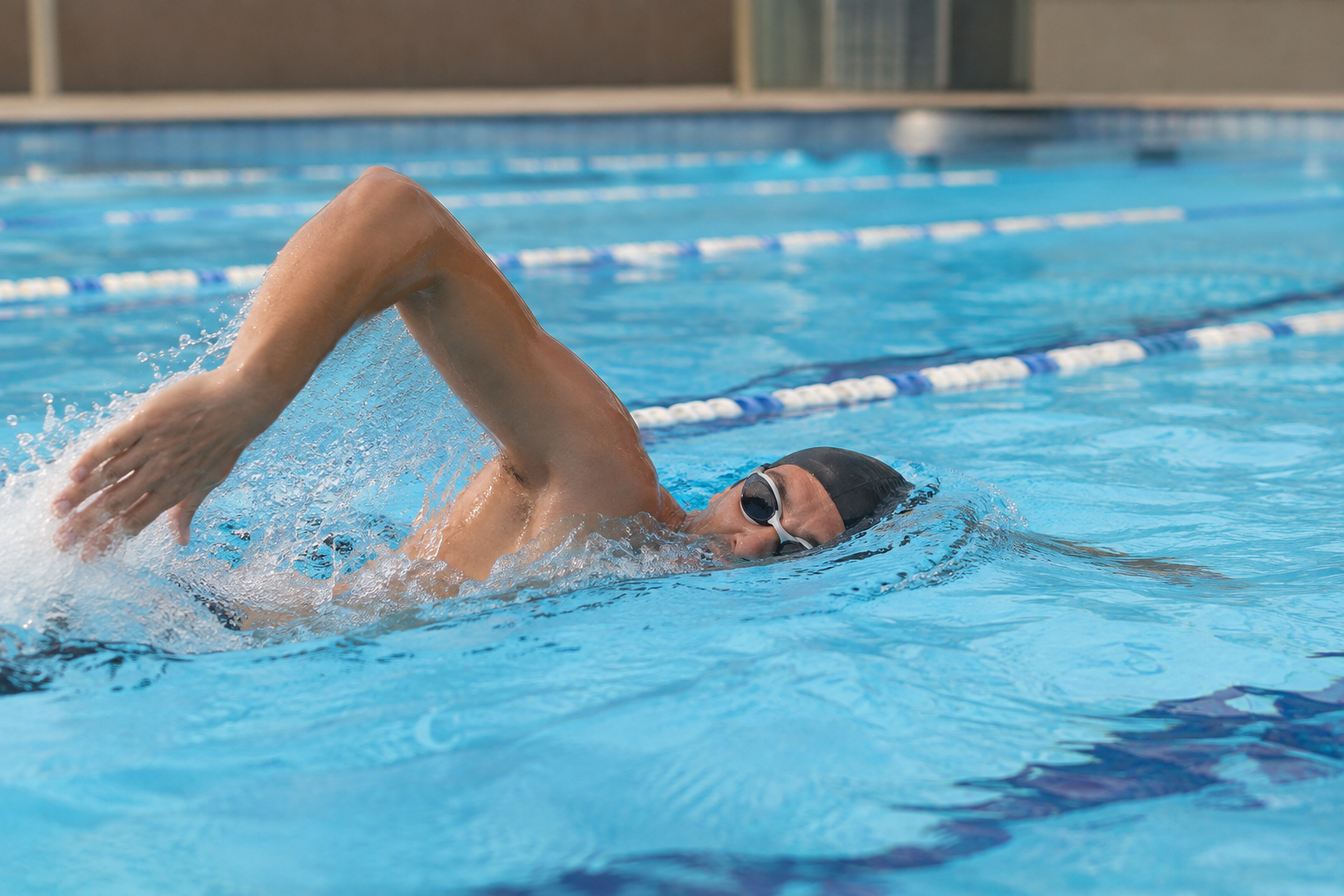
Swimming is one of the best hobbies for people who want to stay active, healthy, and energetic. It is a simple activity that can be enjoyed by people of different ages and fitness levels. Unlike many other forms of exercise, swimming works almost the entire body while putting less pressure on the joints. It can also be relaxing, enjoyable, and refreshing, which makes it easier to continue as a regular hobby.
For people looking for a healthy hobby that supports both physical and mental wellness, swimming can be an excellent choice. Regular swimming can improve strength, support heart health, increase flexibility, help manage body weight, and provide a positive way to reduce daily stress. Making swimming part of your routine can help you develop a more active lifestyle and enjoy many long term health benefits.
Swimming Supports Full Body Fitness
One of the biggest benefits of swimming is that it provides a full body workout. When you swim, your arms, legs, shoulders, back, chest, and stomach muscles all work together. Different swimming styles use the body in different ways, but almost every stroke requires coordination between several muscle groups.
Swimming regularly can help improve muscular strength and endurance. As your body moves through the water, it has to work against natural water resistance. This resistance gives your muscles a gentle form of strength training without requiring heavy equipment.
Because swimming involves many parts of the body at the same time, it can be an efficient way to stay physically active. Even a short swimming session can make your body work and help you build better overall fitness.
Swimming Is Good for Heart Health
Swimming is also a useful cardiovascular activity. During swimming, your heart works harder to supply oxygen and nutrients to your working muscles. Regular cardiovascular activity can support a healthy heart and improve overall endurance.
When you make swimming a regular hobby, your body can gradually become more efficient at handling physical activity. You may notice that you can swim for longer periods without feeling as tired as you did when you first started.
A healthy cardiovascular routine is an important part of an active lifestyle. Swimming can be a comfortable option for people who enjoy exercising in water and want to make heart healthy activity part of their weekly routine.
Swimming Can Help Manage Body Weight
Maintaining a healthy body weight is another reason swimming can be a valuable hobby. Swimming requires continuous movement, which means the body uses energy throughout the session. The amount of energy used depends on factors such as swimming speed, stroke, duration, and individual body characteristics.
Swimming can become part of a balanced approach to weight management when combined with healthy eating and other good lifestyle habits. It can be especially enjoyable for people who do not like traditional gym workouts.
Instead of thinking about exercise as a difficult task, swimming can feel like an enjoyable activity. This can make it easier to stay consistent. Regular physical activity is often more effective when it is something a person actually enjoys doing.
Swimming Is Gentle on the Joints
Another important advantage of swimming is that water supports much of the body’s weight. This reduces the amount of impact placed on the joints during movement. For this reason, swimming may be a comfortable activity for people who find high impact exercises difficult.
Walking, running, and jumping can place repeated stress on the knees, ankles, and hips. Swimming provides an alternative that allows the body to move while being supported by water.
This does not mean everyone can swim safely under every condition. People with health concerns or physical limitations should speak with a qualified health professional before starting a new exercise routine.
Swimming Can Improve Flexibility and Mobility
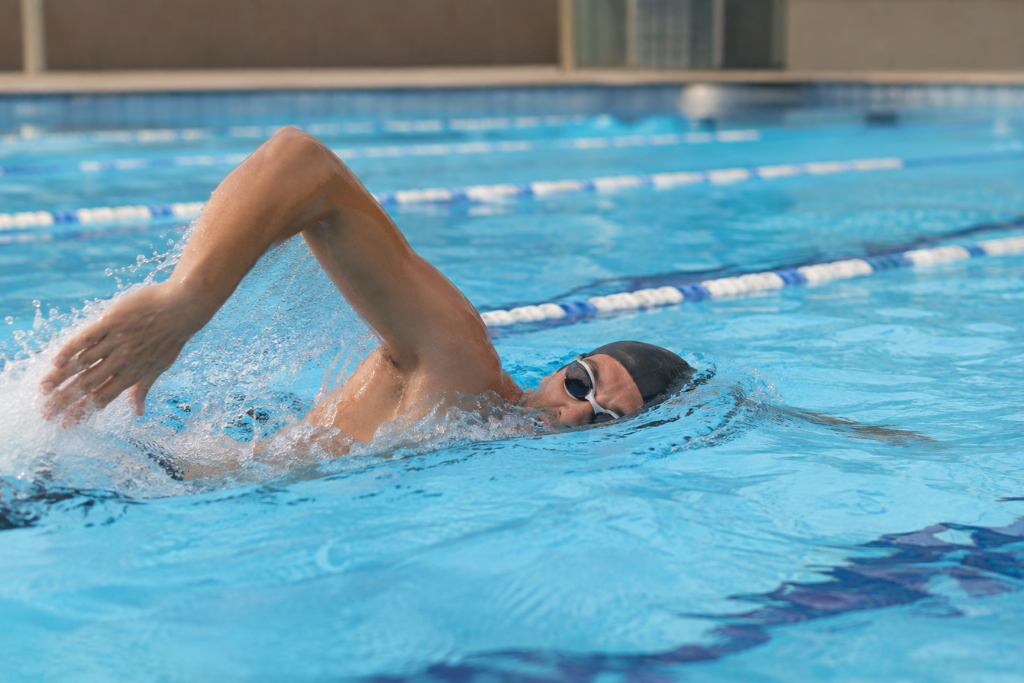
Swimming requires the body to move through different ranges of motion. Reaching forward with the arms, kicking with the legs, and turning the body during different strokes can encourage regular movement of the joints and muscles.
With consistent practice, swimming can support better mobility and body coordination. Stretching before and after exercise may also help prepare the body for movement and support flexibility.
Better mobility can make everyday activities feel easier. Simple movements such as reaching, bending, walking, and climbing stairs can benefit from having a body that stays active and mobile.
Swimming Can Reduce Daily Stress
Swimming is not only good for physical health. It can also support mental wellness. Spending time in water can feel calming and peaceful. The steady rhythm of breathing and movement may help a person focus on the present moment.
Many people experience stress because of work, responsibilities, family demands, and busy daily routines. Swimming can provide a healthy break from these pressures. While swimming, you have an opportunity to concentrate on your movements and breathing instead of thinking about everyday problems.
Regular physical activity can also support a positive mood. Swimming can therefore become a useful part of a healthy self care routine.
Swimming May Support Better Sleep
Regular physical activity can also contribute to better sleep for many people. Swimming uses energy and can help the body feel naturally ready for rest later in the day.
A relaxing swimming session may be particularly enjoyable when it becomes part of a balanced daily routine. However, exercising too close to bedtime may not feel comfortable for everyone. It is useful to notice how your body responds and choose a swimming time that works well with your personal schedule.
Good sleep, regular activity, healthy food, and stress management can work together to support overall wellness.
Swimming Can Improve Breathing and Endurance
Swimming requires controlled breathing, especially when practicing different strokes. Learning when to breathe and how to coordinate breathing with movement can improve awareness of breathing patterns.
As you become more comfortable in the water, you may also develop better endurance. You can gradually increase the amount of time you swim as your fitness improves.
Beginners should not push themselves too quickly. Starting with short sessions and taking regular breaks can make swimming more comfortable and enjoyable. The goal is to build a sustainable habit rather than trying to become highly skilled immediately.
Swimming Is a Hobby for Different Ages
One of the best things about swimming is that it can be enjoyed throughout different stages of life. Children can learn swimming as an important life skill, adults can use it as a form of exercise, and older people may enjoy it as a lower impact way to stay active.
Swimming can also be a social hobby. Joining a swimming class, visiting a community pool, or swimming with friends can make the activity more enjoyable. Having other people around can also provide encouragement and motivation.
Learning new swimming skills can give you a sense of progress. Improving your technique, increasing your swimming time, or becoming more comfortable in the water can create small achievements that keep the hobby interesting.
How to Make Swimming a Regular Hobby
The key to getting the most from swimming is consistency. You do not need to spend hours in the pool every day. A realistic routine that fits your lifestyle is more important.
Start with a comfortable swimming schedule. Beginners can begin with shorter sessions and gradually increase their activity as their confidence and fitness improve. Always take time to warm up, drink enough water, and listen to your body.
Using comfortable swimwear and suitable swimming equipment can also make your sessions more enjoyable. If you are learning to swim, consider taking lessons from a qualified instructor. Proper swimming skills are important for both confidence and safety.
It can also help to set simple goals. You might aim to swim for a certain amount of time, learn a new stroke, or visit the pool a few times each week. Small goals can help turn swimming into a lasting healthy habit.
Conclusion
Swimming is a great hobby for overall health because it combines physical activity, relaxation, and enjoyment. It can support full body fitness, heart health, muscle strength, flexibility, endurance, and healthy weight management. At the same time, swimming can provide a peaceful break from daily stress and may support better sleep and emotional wellness.
The best hobby is one that you enjoy enough to continue. Swimming offers variety and can be adapted to different fitness levels and personal goals. Whether you swim for fitness, relaxation, social connection, or simply enjoyment, making swimming part of your regular routine can be a positive step toward a healthier and more active lifestyle.
With patience and consistency, swimming can become much more than exercise. It can become a healthy daily hobby that supports your body, refreshes your mind, and helps you enjoy an active life.